Key Takeaways:
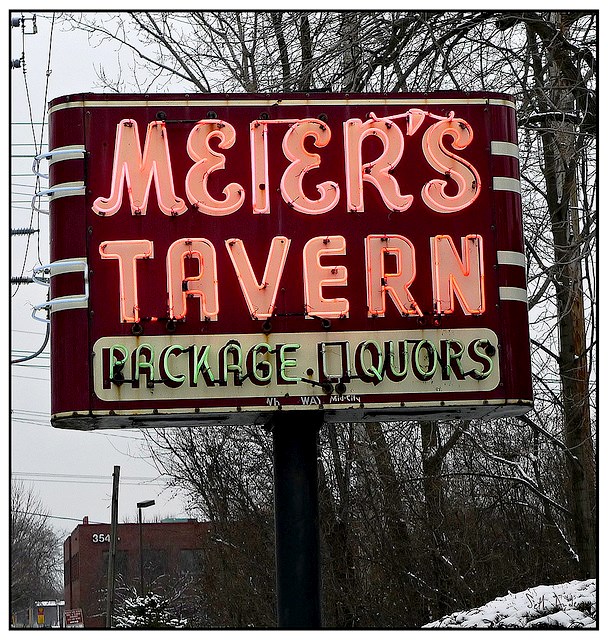
Channel letters offer a premium, dimensional look, ideal for strong brand recognition, while cabinet signs provide versatile space for logos and detailed messaging.
Channel letters generally require a higher initial investment and more complex installation. Cabinet signs are more budget-friendly and easier to mount.
Partnering with a professional signage provider like FASTSIGNS ensures your sign meets branding goals, maximizes visibility and complies with all local regulations.
Your storefront sign is often the first thing a potential customer sees. Get it right and people walk in. Get it wrong and they walk past. The choice usually comes down to two options: channel letters or cabinet signs. Both work. But they don't work the same way, and the wrong pick for your space and budget can be a costly lesson.
FASTSIGNS has worked with businesses across industries to figure out exactly that: what sign type fits the space, the budget and the brand. We handle everything from design and permitting to fabrication and installation, so you're not piecing it together on your own.
Channel Letters vs Cabinet Signs: Side-by-Side Comparison Table
Before diving in, here's a quick look at how the two options stack up across the factors that matter most.
Factor | Channel Letters | Cabinet Signs |
|---|
Appearance | Individual dimensional letters mounted to the building surface | Single illuminated box or panel display |
Lighting Options | LED illumination with face-lit, reverse-lit (halo) or combination effects | Uniform backlit panel with even light distribution |
Typical Cost Range | $$ - Higher initial investment due to individual letter fabrication | $ - More budget-friendly for larger message displays |
Installation Complexity | Requires precise mounting for each letter; may need structural assessment | Single unit installation; often simpler mounting process |
Maintenance | Individual letters can be serviced separately if needed | The entire panel is accessible through a single access point |
Visibility Impact | High contrast and dimensional depth create a strong visual impact | Consistent brightness across the entire message area |
Permitting/Code Compliance | May require individual permits per letter in some jurisdictions | Single permit process; often simpler approval requirements |
Best Use Cases | Business names, logos and premium branding applications | Multi-line messages, service lists, promotional displays |
Design Flexibility | Custom fonts, materials and lighting effects available | Accommodates graphics, logos and text combinations |
Both sign types can achieve excellent visibility when properly designed, with measured luminance levels varying based on color combinations and lighting choices rather than sign type alone.
The right choice often comes down to your specific goals: channel letters excel when you want to make your business name the star of the show, while cabinet signs work well when you need to communicate multiple messages or showcase detailed graphics alongside your brand.
Branding and Visual Impact: Making Your Business Stand Out
When weighing channel letters vs cabinet signs, your choice shapes how customers perceive and remember your business. Each option creates a different first impression and serves distinct branding goals that can influence foot traffic and brand recognition.
Channel Letters Deliver Dimensional Brand Personality
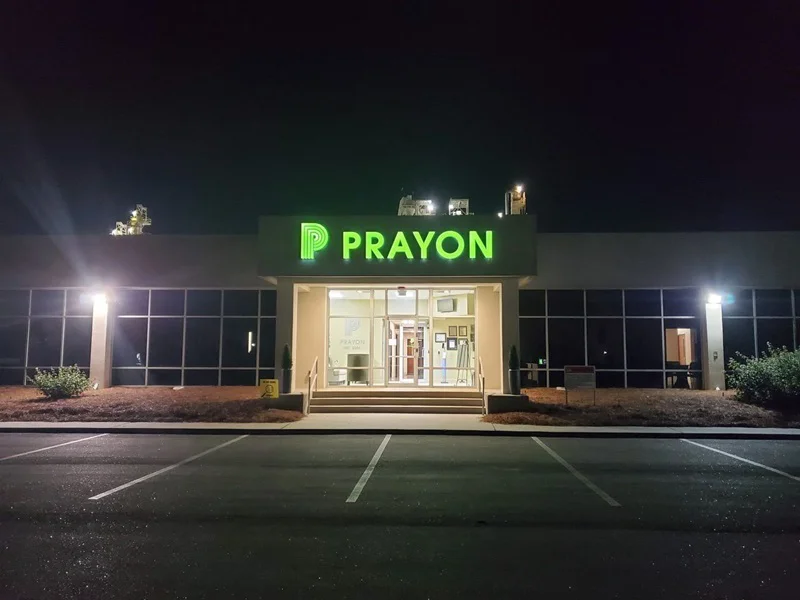
Channel letters transform your business name into a three-dimensional brand statement that commands attention from multiple angles. Each letter extends outward from your building surface, creating depth and shadows that make your signage stand out during daylight hours. When illuminated, they produce a professional appearance that conveys attention to detail. Research shows that dimensional signage with proper contrast and illumination significantly improves visibility and brand recall compared to flat alternatives.
Cabinet Signs Deliver Unified Brand Messaging
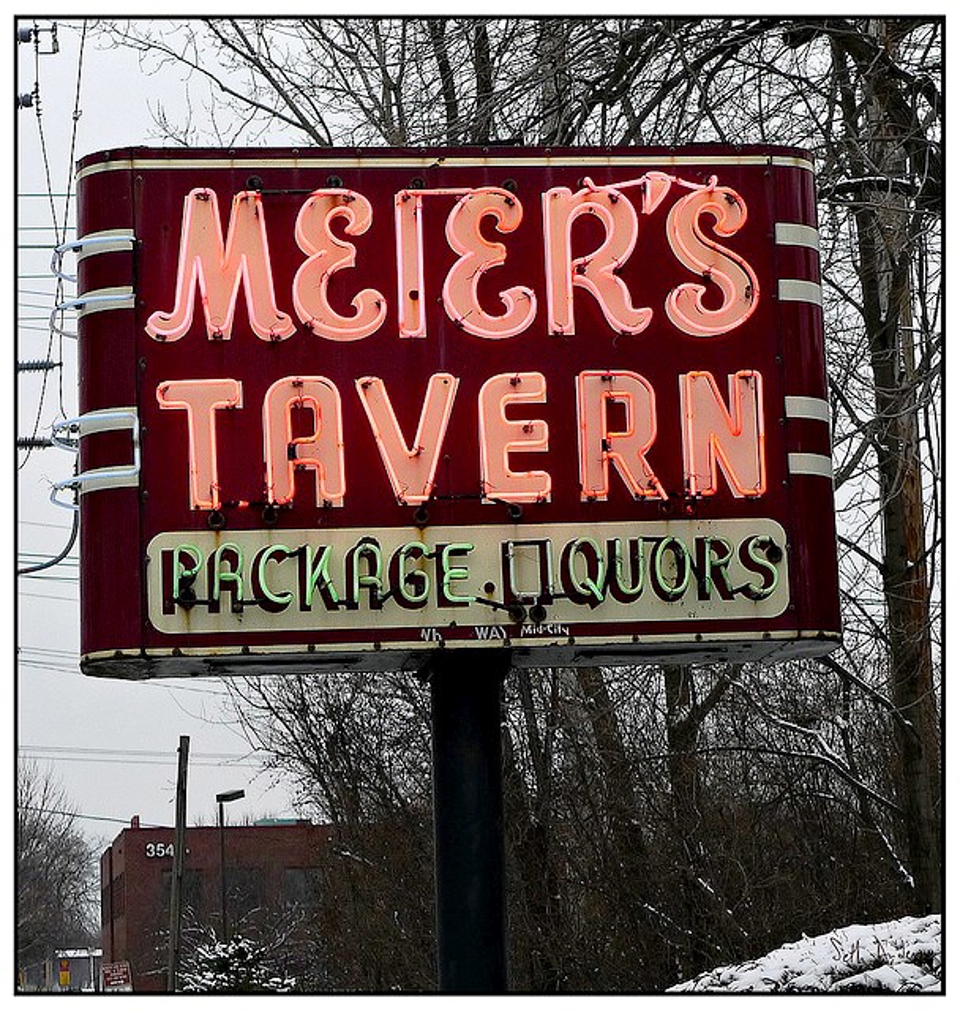
Cabinet signs excel when you need to communicate more than just your business name. These illuminated panels provide a clean canvas for your logo, tagline, services or hours of operation all in one cohesive display. The uniform lighting creates a consistent brand presentation across your entire message, making complex information easy to read quickly. Proper lighting ensures your complete brand story remains visible and professional around the clock.
Choose Based on Your Brand Communication Goals
Your decision comes down to whether you want to emphasize your business name or tell a broader brand story. Professional exterior signage options like these require careful consideration of legibility factors such as letter size, contrast and viewing distance alongside your specific branding objectives.
Channel Letters | Cabinet Signs |
Work best for businesses: | Best suit businesses that need to communicate: multiple services operating hours detailed brand messages
|
Cost, Maintenance and Long-Term Value
Smart business owners know that the right signage investment delivers lasting returns for years. Understanding the cost effectiveness of channel letters vs cabinet signs helps you make a choice that fits both your budget and growth goals.
When evaluating your options, remember that the upfront investment tells only part of the story. The real value comes from how your sign performs over time, attracts customers and supports your brand.
Channel letters typically cost more initially, but create premium brand perception and customer appeal
Cabinet signs offer budget-friendly solutions for displaying multiple services or detailed messaging
LED options in both sign types reduce long-term energy costs and maintenance needs
Professional installation and permitting support prevent costly mistakes and delays
Quality signage can increase walk-in traffic and sales by an average of 20 percent
The best sign investment is one that grows with your business. Consider how each option supports your current needs while positioning you for future success with custom signage solutions.
Practical Considerations: Location, Codes and Installation
Before you decide on a sign type, run through these factors for your specific location.
Your building:
Check wall space, mounting surface strength and electrical access before committing to anything
Channel letters need individual mounting points and may require structural reinforcement
Cabinet signs mount as a single unit, which is usually simpler to attach
Local codes:
Size limits, illumination restrictions and prohibited sign types vary by jurisdiction
Historic districts often have stricter rules that can rule out certain options entirely
Always verify requirements before you finalize a design
Installation:
Channel letters involve separate wiring per letter and more detailed permitting, plus landlord approval in most cases
Cabinet signs have more standardized mounting and streamlined electrical requirements
Federal ADA standards may also apply, depending on your application and mounting height
Working with a signage professional takes the guesswork out of it — they know the local requirements and can flag issues before they become expensive problems.
Channel Letters vs Cabinet Signs: Frequently Asked Questions (FAQs)
Choosing the right signage involves weighing multiple factors specific to your business needs and location. These answers address the most common channel letters vs cabinet signs questions business owners ask when comparing these two popular sign types.
Which sign type is more cost-effective for a small business?
Cabinet signs typically provide lower upfront costs for businesses needing larger displays or multiple lines of text. Channel letters require higher initial investment due to individual fabrication but offer dimensional appeal and energy-efficient LED lighting that reduces long-term operating expenses.
How do lighting options differ between channel letters and cabinet signs?
Channel letters offer three distinct lighting styles: front-lit, halo-lit (backlit) and combination lighting for maximum versatility. Cabinet signs use internal illumination to create uniform brightness across the entire panel. Both options now use modern LED technology for energy efficiency and longer lifespan compared to traditional fluorescent systems.
What factors should I consider to ensure my sign complies with local codes?
Working with local sign regulations becomes straightforward when you understand size limits, illumination restrictions and mounting requirements. Channel letters may need structural wall assessments, while cabinet signs have simpler installation needs. Always verify landlord approval and work with your signage provider for proper permits.
How long do these signs typically last?
Both sign types can last 10-15 years with proper maintenance, though energy-efficient lighting components may need replacement after 7-10 years. Channel letters may require individual letter repairs, while cabinet signs typically need panel or illumination system updates. Regular cleaning and electrical inspections help maximize lifespan for either option.
Make The Best Choice For Your Brand
Choosing between channel letters and cabinet signs comes down to your specific branding goals, budget and location requirements. Channel letters deliver premium dimensional impact, while cabinet signs offer versatile messaging space at a lower cost.
Beyond the technical differences, there's a lot to get right, and it’s more seamless when you're working with people who have done it before. Be it channel letters or cabinet signs, FASTSIGNS can help you figure out which one works for your space and bring it to life.

.2).2310261001370.jpg)

.2).2310261001370.jpg)