Key Takeaways:
LED signs consume up to 80% less energy than traditional neon and last two to four times longer, making them the lower total-cost option for most business applications.
Neon signs produce a warm, handcrafted aesthetic that LEDs can closely replicate but not perfectly match, which still makes neon the preferred choice for specific brand identities.
The right choice depends on where the sign will live, how long you plan to use it and what your brand needs to communicate at first glance.
Every business that needs an illuminated sign eventually faces the same question: LED or neon? Both technologies get noticed. Both have real business use cases. And both come with tradeoffs that look different depending on your budget, your location and what you need the sign to say about your brand.
The comparison below covers every factor that influences a practical business decision: energy, cost, lifespan, design flexibility, maintenance and environmental impact. FASTSIGNS can help you evaluate which technology fits your signage goals and produce either option to spec. Find a location near you or request a quote.
LED vs Neon Signs: Quick Comparison
Factor | LED Signs | Neon Signs |
Energy consumption | Low (up to 80% less than neon) | High (uses significantly more power)r |
Lifespan | 50,000+ hours | 8,000–15,000 hours |
Upfront cost | Low to moderate | Moderate to high |
Monthly operating cost | Low | Higher |
Maintenance | Minimal | Regular attention needed |
Color range | Virtually unlimited | Limited to gas and phosphor combinations |
Design flexibility | High (programmable, animated) | Moderate (hand-bent to shape) |
Weather resistance | Excellent | Moderate (fragile glass tubing) |
Indoor / outdoor use | Both | Primarily indoor |
Environmental impact | Low (no hazardous gas) | Contains mercury or argon |
Repair difficulty | Easy (replace modules) | Requires specialist (glass bending) |
Aesthetic | Clean, bright, modern | Warm, handcrafted, retro |
What Are LED Signs?
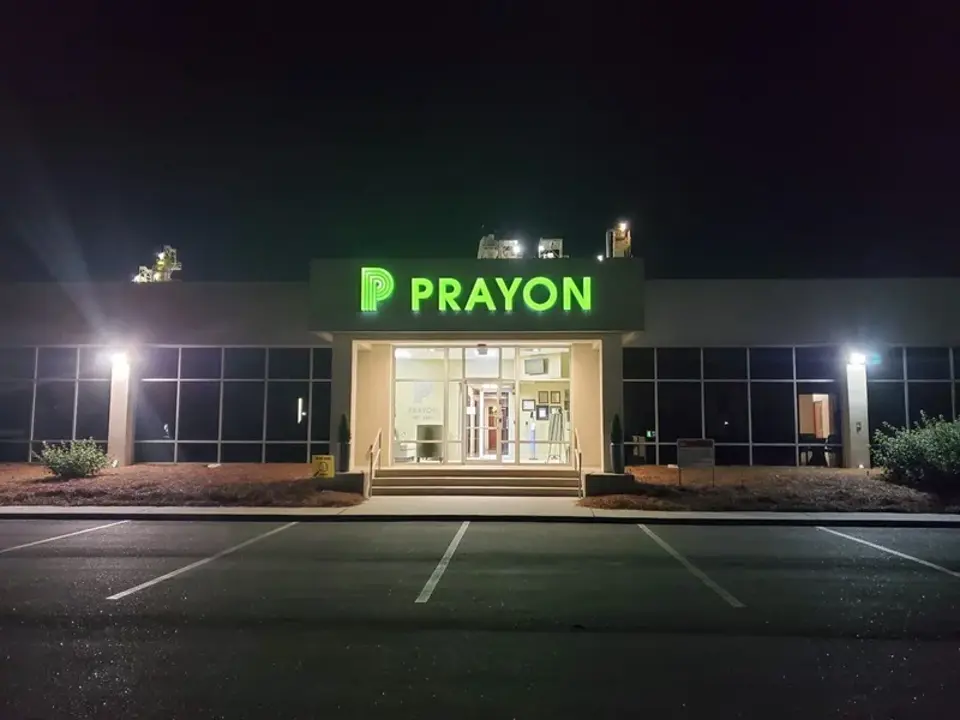
LED stands for light-emitting diode. Instead of gas-filled glass tubing, LED signs use clusters of tiny semiconductor lights mounted on a flexible or rigid substrate. They can be shaped into letters, logos or abstract forms and are available in channel letter configurations, backlit panels and programmable digital display formats.
Modern LED signage spans everything from a single illuminated storefront sign to a full outdoor digital board cycling through multiple messages. The technology is solid-state, which means no glass, no gas and no filament to break. That physical resilience is a large part of why LEDs have become the default choice for new business signage installations across most industries.
What Are Neon Signs?
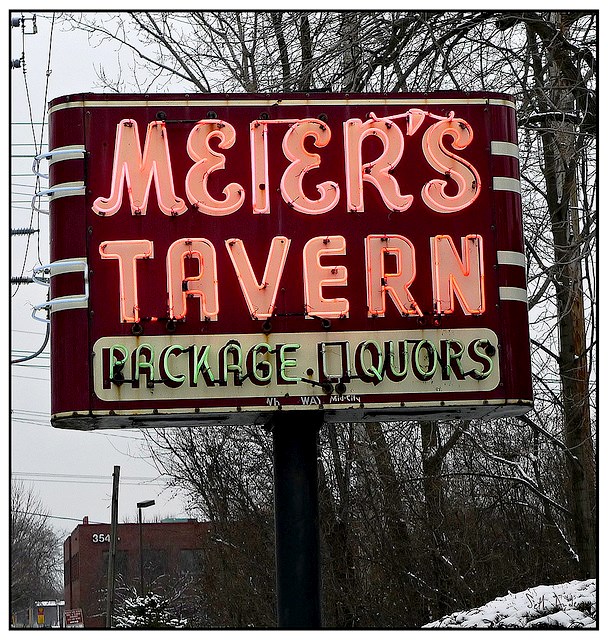
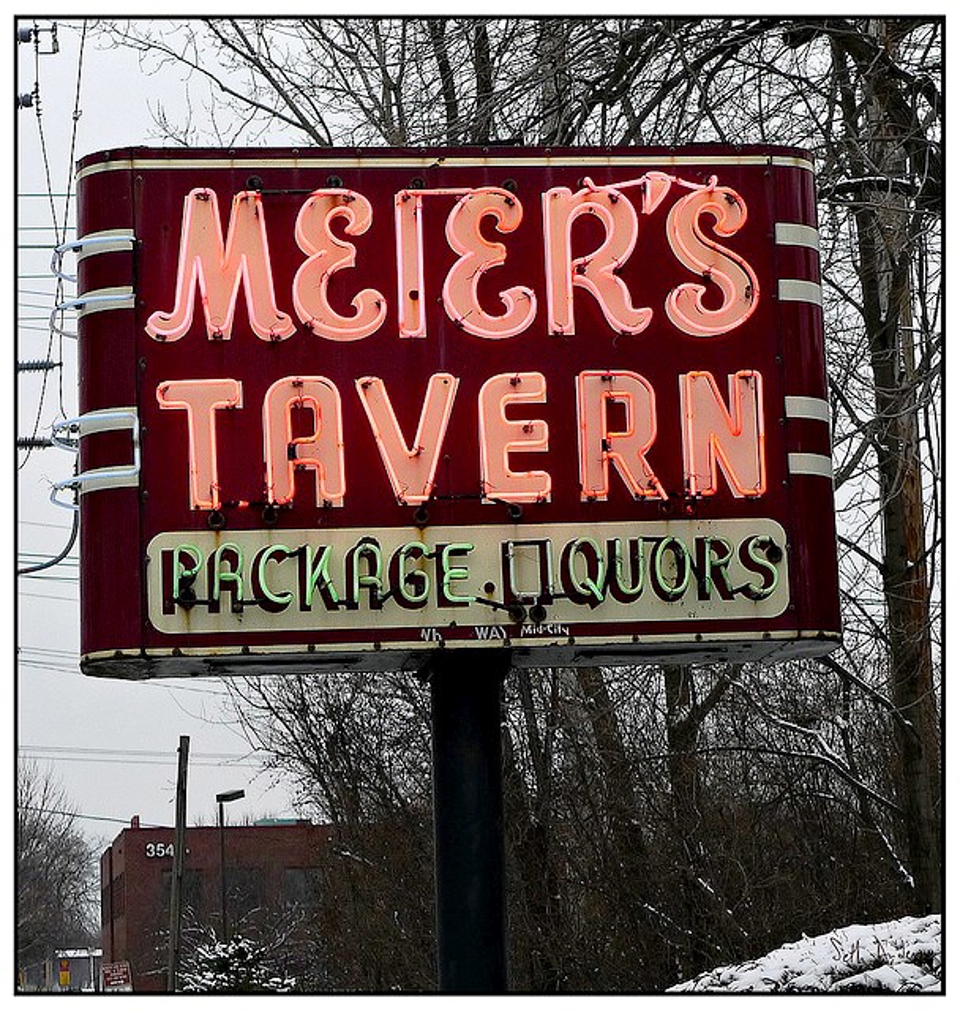
Traditional neon signs are made from glass tubes bent by hand into shapes and letters, then filled with neon or argon gas. When an electrical current passes through, the gas emits a characteristic colored glow. Neon produces red and orange tones naturally. Other colors require different gases or phosphor coatings on the inside of the tube.
The production process is slow and requires skilled artisans, which is part of why neon costs more upfront and takes longer to produce than LED alternatives. That same craftsmanship is also why neon carries a premium brand perception in the right context. Bars, boutiques, photography studios and retro-themed concepts use neon specifically because the warm, slightly imperfect glow reads as authentic in a way that sharper LED light does not.
Energy and Operating Costs
Energy Consumption
LED technology uses significantly less electricity than neon for the same light output. A comparable LED sign typically consumes 80 to 90 percent less power than its neon equivalent. For a sign running 12 hours a day, that difference translates to a meaningful reduction in monthly utility costs across a year of operation.
Neon's higher draw comes from the continuous electrical arc required to excite the gas inside the tube. The effect is consistent and visually appealing, but it runs at a cost that adds up quickly over time.
Long-Term Operating Costs
The energy gap compounds over the life of the sign. A business running a mid-size neon sign 12 hours daily can expect to pay meaningfully more in electricity over five years compared to an equivalent LED sign. Factor in replacement costs for neon tubes, which require specialist repair, and the total cost of ownership for neon is substantially higher than the upfront price suggests.
LED signs have no moving parts and no fragile components, which keeps maintenance costs low throughout their operating life.
Lifespan and Durability
How Long Each Technology Lasts
LED signs are rated for 50,000 hours or more of operation. At 12 hours of use per day, that equals more than 11 years of service before light output begins to noticeably degrade. Neon tubes typically last between 8,000 and 15,000 hours under normal conditions, which translates to two to four years at the same usage rate.
The lifespan gap is one of the clearest practical arguments for LED in most business applications. More frequent neon replacement also means more downtime, which is a hidden cost beyond the replacement price itself.
Weather and Physical Resilience
Glass neon tubing is inherently fragile. Vibration, temperature fluctuation and physical impact from wind or debris can crack or shatter tubes. This makes traditional neon a poor choice for outdoor installations in climates with significant temperature swings or for any sign that may be subject to physical contact.
LED signs use solid-state components with no glass elements. They handle outdoor exposure, moisture and vibration far better than neon and are the standard choice for any exterior application where durability over time is a priority.
Design and Customization
Color and Shape Options
LED technology offers a virtually unlimited color range including programmable RGB options that can shift colors on demand. A single LED sign installation can display dozens of colors without changing any hardware. Neon is constrained by gas and phosphor chemistry. While skilled craftspeople can produce a wide range of tones, exact color matching to brand standards is more difficult and consistency across multiple signs is harder to guarantee.
For businesses with strict brand color requirements, LED is the more reliable choice.
Animation and Programmability
LED signs can be programmed to display moving content, scrolling text, color transitions and time-based messages through a connected controller. That programmability makes LED especially effective for businesses that want to change their messaging by time of day, day of week or season without printing or installing anything new.
Neon produces a static glow. Some effects like flickering or chasing are possible with switching controls, but the design range is narrow compared to what LED can achieve.
Maintenance and Repairs
LED Maintenance Requirements
LED signs require very little ongoing maintenance. Occasional cleaning keeps the face clear of dust and debris. Individual diodes or modules can be replaced without taking the entire sign down if a section fails. Most LED sign issues can be diagnosed and resolved without specialist equipment or trade expertise.
Neon Maintenance Requirements
Neon signs require more consistent attention. Tube connections can loosen over time. Gas can leak slowly, dimming specific sections. Cracked or broken tubes need to be replaced by a glass-bending specialist, which is a shrinking trade. Repair turnaround for neon can run days to weeks depending on your location and the complexity of the original design.
For businesses that cannot afford extended sign downtime, that repair timeline is a meaningful operational risk.
Environmental Considerations
Traditional neon signs contain mercury or argon gas. EPA guidelines classify mercury-containing products as hazardous waste, which means neon signs require proper disposal at end of life rather than standard commercial waste disposal. This creates both a compliance obligation and an additional cost when the sign is removed or replaced.
LED signs contain no hazardous gases. They are solid-state devices that can be recycled through standard electronics recycling programs. The lower energy draw also means a reduced carbon footprint over the sign's operational life compared to neon running equivalent hours.
Which Sign Type Is Right for Your Business?
Choose LED If You Need:
An outdoor sign exposed to weather or physical impact
A sign running more than eight hours per day where energy costs matter
Programmable or animated content that changes over time
Exact brand color matching across multiple locations
Fast installation and minimal ongoing maintenance
A long service life with predictable operating costs
Choose Neon If You Need:
A specific warm, handcrafted aesthetic that defines your brand identity
An indoor feature sign for a bar, boutique, studio or hospitality concept
A statement piece where the production process itself adds perceived value
A retro or artisan visual that LED replication does not fully capture
Both technologies have a legitimate place in a well-considered signage program. Many businesses use both: LED channel letters on the building exterior for visibility and durability, and a neon accent piece inside for atmosphere. The decision comes down to where the sign lives and what it needs to do.
LED Signs vs Neon Signs: Frequently Asked Questions (FAQs)
Planning your sign purchase brings up consistent questions about cost, longevity and the practical differences between these two technologies. These answers cover what business owners ask most often before making a final decision.
Can LED signs replicate the neon look?
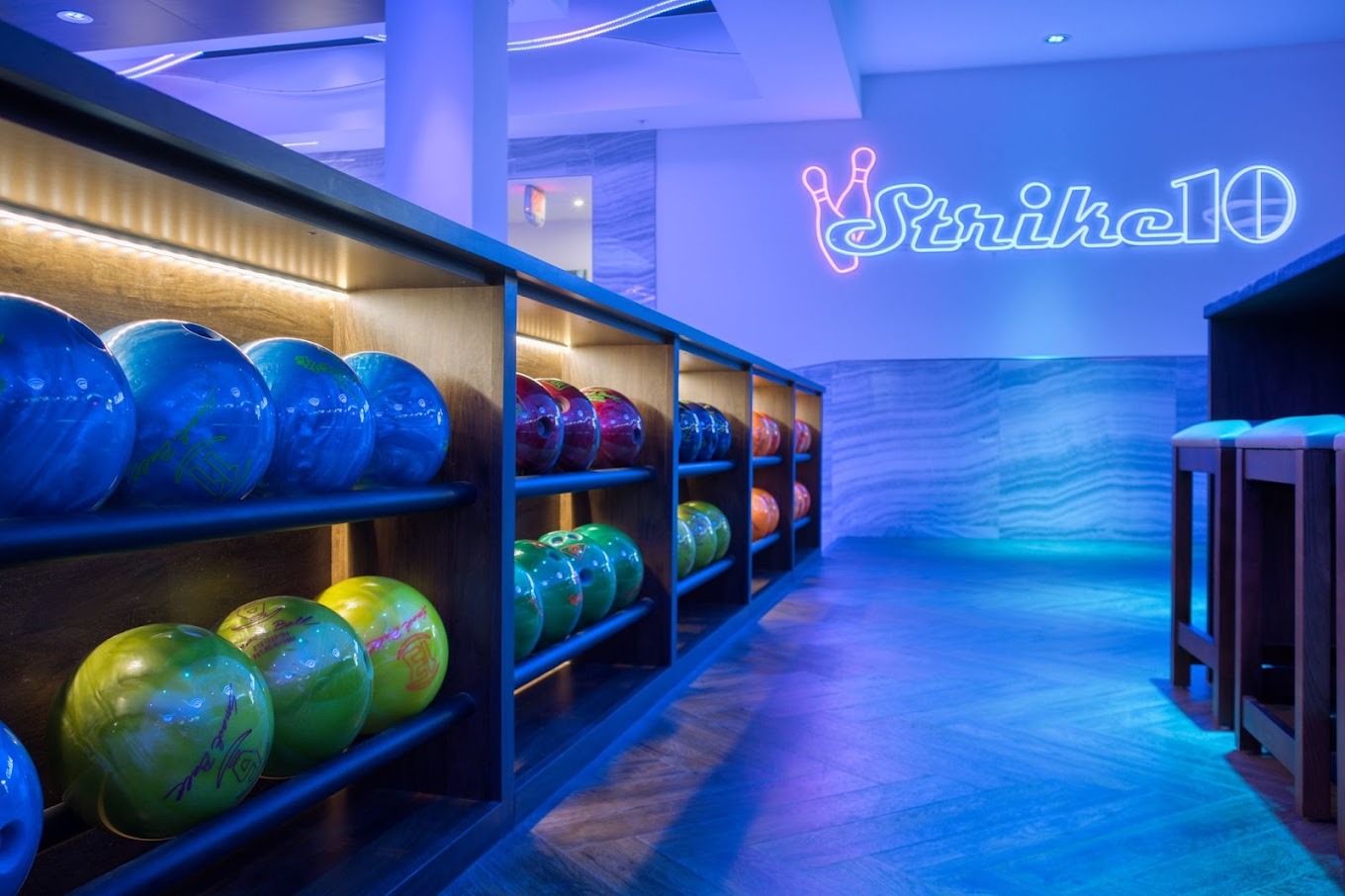
LED flex tube technology has closed the gap significantly. Modern LED neon-replica signs mimic the rounded tube profile and warm glow of traditional neon at a fraction of the cost and with far greater durability. The light quality is not identical but is close enough that most customers will not distinguish the difference. For a business owner who wants the neon aesthetic without the fragility or running cost, LED neon flex is a practical alternative worth exploring through FASTSIGNS.
How much more does neon cost to run than LED?
The gap varies by sign size and usage hours but LED signs typically consume 80 to 90 percent less electricity than a comparable neon installation. A larger neon sign running 12 hours daily can add meaningfully to a monthly utility bill over the course of a year. Check current sign cost and timeline guidance from your local FASTSIGNS center to get figures specific to your sign size and configuration.
Are neon signs waterproof?
Traditional glass neon signs are not suitable for direct outdoor exposure in most climates. Rain, frost and physical vibration from wind all create risk of tube damage. Some manufacturers produce sealed outdoor neon units but these carry higher costs and still require more careful placement than LED alternatives. If your sign needs to live outdoors year-round, LED is the more reliable material choice in almost every case.
How long does it take to repair a broken neon sign?
Repair timelines depend heavily on the complexity of the original design and the availability of a qualified neon glass specialist in your area. Simple repairs can be completed in a few days. Custom shapes or colors can take one to three weeks. In markets with limited neon specialists, sourcing a repair can take longer still. LED signs by comparison can often be repaired with replacement modules that arrive within days and install without specialist labor.
What should I look for when ordering a custom LED sign?
Specify the intended location (indoor or outdoor), mounting method, required brightness level and whether programmable or static content is needed. Outdoor signs need weather-rated enclosures and UV-stable faces. Programmable LED boards need a compatible controller and a content management plan. Working with a signage consultant at your local FASTSIGNS location helps you get the spec right before ordering rather than discovering gaps after installation.
Make the Right Call for Your Business
LED and neon both work. The question is which one works better for your specific location, brand identity and budget over the full life of the sign. For most exterior applications and for businesses that prioritize low operating costs and minimal downtime, LED is the practical default. For businesses where the warmth and character of neon is part of the brand itself, the higher cost and maintenance commitment can be worth it.
FASTSIGNS can produce both and help you evaluate which fits your goals. Find a location near you or request a quote to talk through your options with a local signage expert.
.2).2310261001370.jpg)

.2).2310261001370.jpg)