Key Takeaways:
The most effective outdoor sign programs layer multiple sign types, combining far-range identification with close-range persuasion to capture attention at every distance.
Materials, lighting and placement decisions directly affect sign longevity, permit compliance and brand impact, making early planning essential before committing to any installation.
From low-cost vinyl banners to premium illuminated channel letters, there is an outdoor sign solution for every stage of business growth and every type of location.
Your outdoor signage is the first conversation your business has with every person who passes by. That conversation happens whether you are open or closed, staffed or not. The sign standing outside your door works around the clock, and how well it works depends entirely on the choices made before installation.
FASTSIGNS helps businesses at every stage build outdoor sign programs that combine the right materials, lighting and placement to get noticed and drive customers through the door. Find a location near you or request a quote to start building a sign strategy that fits your space and your goals.
What Makes a Strong Outdoor Sign Strategy
Outdoor signs rarely work well in isolation. The businesses with the most effective signage programs typically layer several types together: a high-visibility anchor sign for drivers and pedestrians at a distance, a close-range sign to engage people already walking past and a promotional element to push someone from curious to walking in the door.
A few practical factors shape every decision before you choose a material or style. Local zoning codes set limits on sign size, illumination and placement. Many municipalities require permits for permanent installations and some historic districts have strict aesthetic rules. ADA compliance governs mounting heights and contrast requirements for certain sign types. The best time to review those rules is before you commit to a design.
1. Channel Letter Signs: Put Your Name on the Building
Channel letter signs are the most recognizable form of building-mounted identification. Each letter is a three-dimensional fabricated form, individually lit and mounted directly to the facade or on a raceway backing. Front-lit faces push bright light outward for maximum visibility from a distance. Halo-lit versions cast a soft glow behind each letter, giving the installation a more refined, premium look without sacrificing after-dark readability.
The mounting method you choose depends on your building facade and local code, which could also include landlord criteria. Raceway mounting groups the letters on a single backing panel or wireway channel for easier installation and electrical routing. This method eliminates multiple penetrations of the wall. Individual letter mounting goes straight to the wall, giving a cleaner result that blends into the architecture, but requires more penetrations for mounting methods and electrical wiring. Powder-coated returns and quality acrylic faces hold up through years of heat, rain, and everything in between.
2. Monument Signs: Create a Landmark at Your Entrance
A monument sign sits at ground level near your entrance and turns your address into a place people actually recognize. These freestanding structures are especially valuable for businesses set back from the road, multi-tenant properties and campuses where a GPS pin alone is not enough to get someone to the right door.
Premium materials like natural stone veneer, architectural concrete and brushed aluminum communicate permanence and stability to first-time visitors sizing up whether your business is established. Illuminated cabinet inserts or backlit letters keep the sign legible at night. For properties with multiple tenants, changeable face panels let you update individual listings without replacing the whole structure.
3. Pylon and Pole Signs: Visible from the Road
When your business sits along a high-traffic corridor, a pylon or pole sign gets your name above the roofline and into the sightline of every passing driver. These tall freestanding structures are the standard format for gas stations, strip malls and hospitality properties where road visibility is the primary goal.
Single-tenant poles carry your branding alone and work well for anchor businesses that need maximum presence. Multi-tenant pylons share vertical space across several businesses, making them a cost-effective option for shopping centers and business parks. Electronic message centers integrated into the cabinet let you rotate promotional content without printing anything new.
4. Digital LED Signs: Update Your Message in Real Time
Static signs say the same thing every day. Digital signage displays let you match your message to whoever is walking or driving past right now: morning promotions for commuters, lunch specials at noon or event announcements on weekends. Digital signage best practices recommend keeping content loops under 10 seconds with high-contrast visuals so the message lands even for people who do not slow down.
Modern LED technology delivers bright, consistent output at a fraction of the energy draw of older cabinet displays, and offers a significantly longer service life. Electronic message centers and full-color LED boards are available in freestanding, building-mounted and window-facing configurations depending on your location and permit requirements.
5. Awning Signs: Shade, Shelter and Brand Presence in One
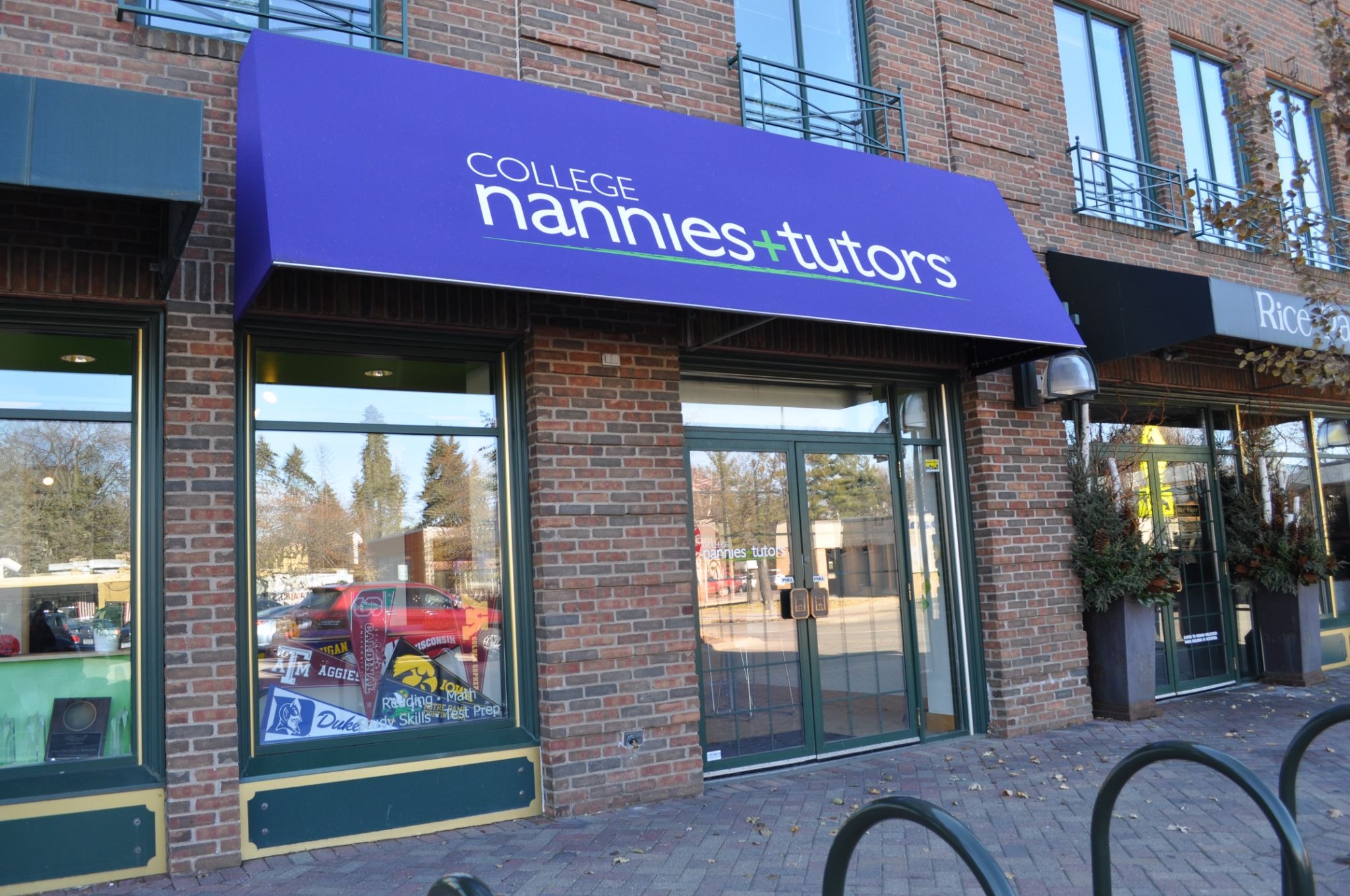
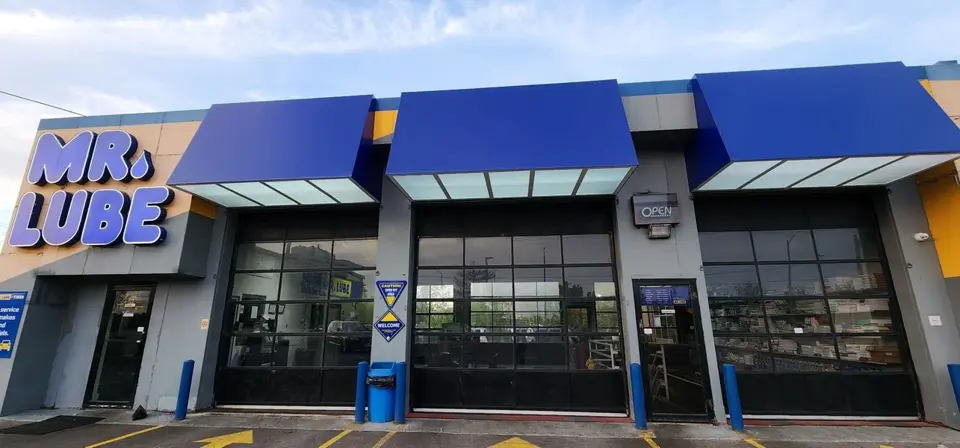
A well-built awning earns its place on two fronts: it keeps customers comfortable at your entrance and gives you a branded surface visible from both ends of the block. Cafes, boutiques, salons and fitness studios all benefit from the street-level presence an awning provides before anyone reaches the door.
Marine-grade fabric retains your brand colors after years of sun exposure. The valance at eye level is prime real estate for your address, tagline or hours, read easily by pedestrians as they approach. Aluminum frames and UV-resistant graphics handle wind, rain and daily wear without degrading the way cheaper materials do. Custom shapes and projection depths let the structure fit your architecture rather than compete with it.
6. Blade Signs: Catch Traffic Walking Both Directions
Most building-mounted signs face one direction, which means half the people walking past never see them. Blade signs project perpendicular to the facade, making them visible to pedestrians walking toward your business and people walking away. On a busy retail corridor where attention moves fast, that double exposure makes a meaningful difference.
Because viewers are in motion when they spot the sign, the design needs to be immediate. A strong icon, a short name and high contrast are all you have time for before someone moves past. Cluttered layouts lose people before they register anything useful. Red Wagon Pizza Company used blade signs as part of a broader outdoor program and saw real results capturing passing foot traffic. Internally lit versions extend that visibility into the evening without adding any complexity to your operation.
7. Dimensional Letter Signs: Depth That Commands Attention
Flat graphics dissolve into flat facades, especially under harsh midday sun that washes out color and contrast. Dimensional letters solve that by casting real shadows that shift throughout the day, so the sign reads differently depending on angle and light. That physical depth can improve sign legibility by up to 30% compared to flat alternatives.
Standoff mounts hold letters a few inches from the surface, which sharpens the shadow effect and gives the installation a more intentional, architectural look. Materials range from painted foam and MDF for tighter budgets to brushed metal and acrylic for premium applications. Dimensional elements translate well across building styles, whether the facade is brick, glass or poured concrete.
8. Outdoor Window Graphics: Free Marketing Space You Already Own
Your windows face the sidewalk every hour of every day and most businesses leave that surface blank. Window graphics and decals convert passive glass into an active marketing surface without requiring a permit in most jurisdictions.
Perforated vinyl displays outward-facing images and messaging while keeping natural light flowing inside. Frosted film adds privacy for consultation rooms or treatment areas while giving the exterior a polished, finished look. Easy to change graphics let you update seasonal promotions without touching the permanent signage. Removable options protect your lease and keep future updates simple.
9. A-Frame and Sidewalk Signs: Catch the Walk-In Decision
Sidewalk signs work because they meet people at the exact moment they are deciding whether to stop. A-frame signs sit at eye level and can be angled toward the heaviest direction of foot traffic, putting your message directly in the line of sight during that split-second decision.
Changeable inserts make these signs especially practical. You can highlight today's special, updated hours or a limited-time offer without ordering new graphics each time. Follow ADA placement guidelines to keep accessible routes clear on the sidewalk. Chalkboard surfaces, printed panels and magnetic inserts all work depending on how frequently you update your messaging.
10. Vinyl Banners: Fast, Flexible and Budget-Friendly
Decide on a promotion Monday and have it up by Wednesday. That kind of turnaround is what vinyl banners are built for. Most orders are production-ready within 24 to 48 hours, making them the go-to format when you need to respond quickly to a new opportunity or a fast-moving promotion.
Ask for reinforced edges and grommeted corners: Heavy-duty borders prevent tearing in busy outdoor locations and extend banner life
Request wind slits for outdoor use: Small cuts in the material let air pass through, reducing strain on both the banner and mounting hardware
Keep text large and high contrast: Bold fonts and simple messaging work best for people walking or driving past your location
Plan for reuse and storage: Quality banners roll up cleanly and can be saved for future campaigns, giving you more value from each print run
11. Post and Panel Signs: Affordable Identification That Scales
Post and panel signs are one of the most versatile formats in outdoor signage. A single or double post supports a flat graphic panel, creating a clean and cost-effective identification solution for parking lots, campuses, shopping centers and standalone businesses that need visible signage without a large permanent structure.
Multi-panel configurations work well for directory systems in multi-tenant properties. Changeable panel faces make updates straightforward without replacing the full installation. Aluminum and steel posts handle long-term outdoor exposure with minimal maintenance. For businesses with limited budgets that need to cover multiple points of entry or directional positions, post and panel systems offer the most coverage for the cost.
12. Eco-Friendly Outdoor Signs: Sustainable Signage That Lasts
Sustainable signage makes sense for practical reasons as much as environmental ones. Materials built to last reduce replacement frequency and lower long-term costs.
Request recyclable substrates and low-VOC inks: Aluminum panels and water-based inks minimize environmental impact and often satisfy local air quality requirements
Specify ENERGY STAR certified LED lighting: These systems use significantly less energy than older lighting options and last longer, reducing utility costs and maintenance visits
Choose modular designs: Replaceable panel systems let you update messaging without discarding the full structure, cutting waste and future spend
Invest in commercial-grade finishes: Powder coatings and UV-resistant treatments extend sign life by years, reducing the need for premature replacement
Plan for end-of-life reuse: Quality sign components can often find a second life as interior displays, promotional materials or community donations
Outdoor Sign Comparison Table
Sign Type | Best For | Visibility Range | Typical Cost Range | Permit Usually Required | Illumination Available |
Channel Letters | Building identification | 50 to 100 ft | $3,000 to $10,000 | Yes | Yes |
Monument Signs | Entrances and driveways | 30 to 60 ft | $3,000 to $15,000 | Yes | Yes |
Pylon / Pole Signs | Road-facing high-traffic locations | 100+ ft | $5,000 to $30,000 | Yes | Yes |
Digital LED Signs | High-traffic, dynamic messaging | 50 to 100 ft | $5,000 to $50,000 | Yes | Built-in |
Awning Signs | Storefronts, cafes, boutiques | 10 to 30 ft | $1,500 to $5,000 | Sometimes | Occasionally |
Blade Signs | Pedestrian retail corridors | 10 to 30 ft | $500 to $3,000 | Sometimes | Yes |
Dimensional Letters | Building facades | 20 to 50 ft | $1,000 to $5,000 | Sometimes | Yes |
Window Graphics | Pedestrian foot traffic | 5 to 15 ft | $200 to $1,500 | Rarely | No |
A-Frame / Sidewalk Signs | Walk-in conversion at point of decision | 3 to 10 ft | $100 to $500 | Rarely | No |
Vinyl Banners | Short-term promotions and events | 15 to 30 ft | $100 to $500 | Rarely | No |
Post and Panel Signs | Parking lots, campuses, directories | 20 to 40 ft | $500 to $3,000 | Sometimes | Yes |
Eco-Friendly Signs | Any sign type with sustainable materials | Varies | Varies | Varies | Yes |
Outdoor Sign Ideas: Frequently Asked Questions (FAQs)
How do I know which outdoor sign type is right for my business?
Start with where your customers are coming from. Businesses that rely on driver traffic need high, far-range signs like pylons or illuminated channel letters. Pedestrian-heavy locations benefit more from blade signs, window graphics and A-frames. Most businesses perform best with two or three sign types working at different distances. An exterior signage consultation helps identify the right combination for your specific location.
What permits do I need for outdoor business signs?
Most permanent outdoor signs require a permit, including channel letters, monument signs and pylon signs. Permit timelines typically run 2 to 4 weeks and requirements vary by municipality, zoning district and sign type. Temporary signs like banners and A-frames usually do not require permits, though placement rules still apply. Check with your city planning office early to avoid design changes or installation delays.
How long do outdoor signs typically last?
Quality outdoor signs with proper materials and finishes last 5 to 10 years with routine care. Vinyl banners used for temporary promotions typically hold up for 1 to 3 seasons, depending on weather exposure. LED lighting components in illuminated signs generally have a service life of 50,000 hours or more. Monthly cleaning and an annual inspection keep most sign types looking professional throughout their lifespan.
What is the best outdoor sign for a small budget?
Vinyl banners and A-frame sidewalk signs offer the lowest entry cost and fastest turnaround. Window graphics deliver significant visual impact at a moderate price without requiring a permit in most locations. For a permanent installation on a limited budget, post and panel signs cover the most ground for the cost. Starting with one strong sign and adding layers over time is a smarter approach than spreading a tight budget across multiple lower-quality pieces.
How does weather affect outdoor sign material choices?
UV exposure fades inks and degrades certain plastics over time. Wind load matters for tall freestanding signs, which is why pylon and monument signs require engineered structural specifications in most jurisdictions. Marine-grade fabrics and powder-coated finishes handle rain and humidity far better than standard materials. In coastal or high-humidity environments, aluminum substrates outperform steel. A FASTSIGNS consultant can match material choices to your specific climate and site conditions.
Build an Outdoor Sign Program That Works Around the Clock
Your outdoor signage is working every hour you’re not there. The right combination of distance visibility, close-range persuasion and promotional flexibility creates a sign system that turns passing traffic into paying customers, day and night.
FASTSIGNS helps you choose materials, lighting and messaging that fit your brand, your neighborhood and your budget. Local experts can walk you through accurate timelines and cost options based on your specific goals. Find a location near you or request a quote to get your personalized consultation.
.2).2310261001370.jpg)


.2).2310261001370.jpg)